In just a short time, America will reach a milestone that only comes once in a lifetime: the 250th anniversary of 1776. For adults, that number may feel abstract. But for children, it can become something much more powerful — a chance to understand where we came from, imagine life long ago, and see themselves as part of a much bigger story.
The challenge is this:
How do we make a big historical anniversary meaningful for kids without overwhelming them?
The answer usually isn’t worksheets or memorizing dates. It’s hands-on experiences, simple stories, and moments that connect the past to everyday life.
Why Kids Experience History Differently Than Adults
Children don’t connect to history through timelines the way adults do. They connect through:
-
Making
-
Imagining
-
Tasting
-
Writing
-
Doing things with their hands
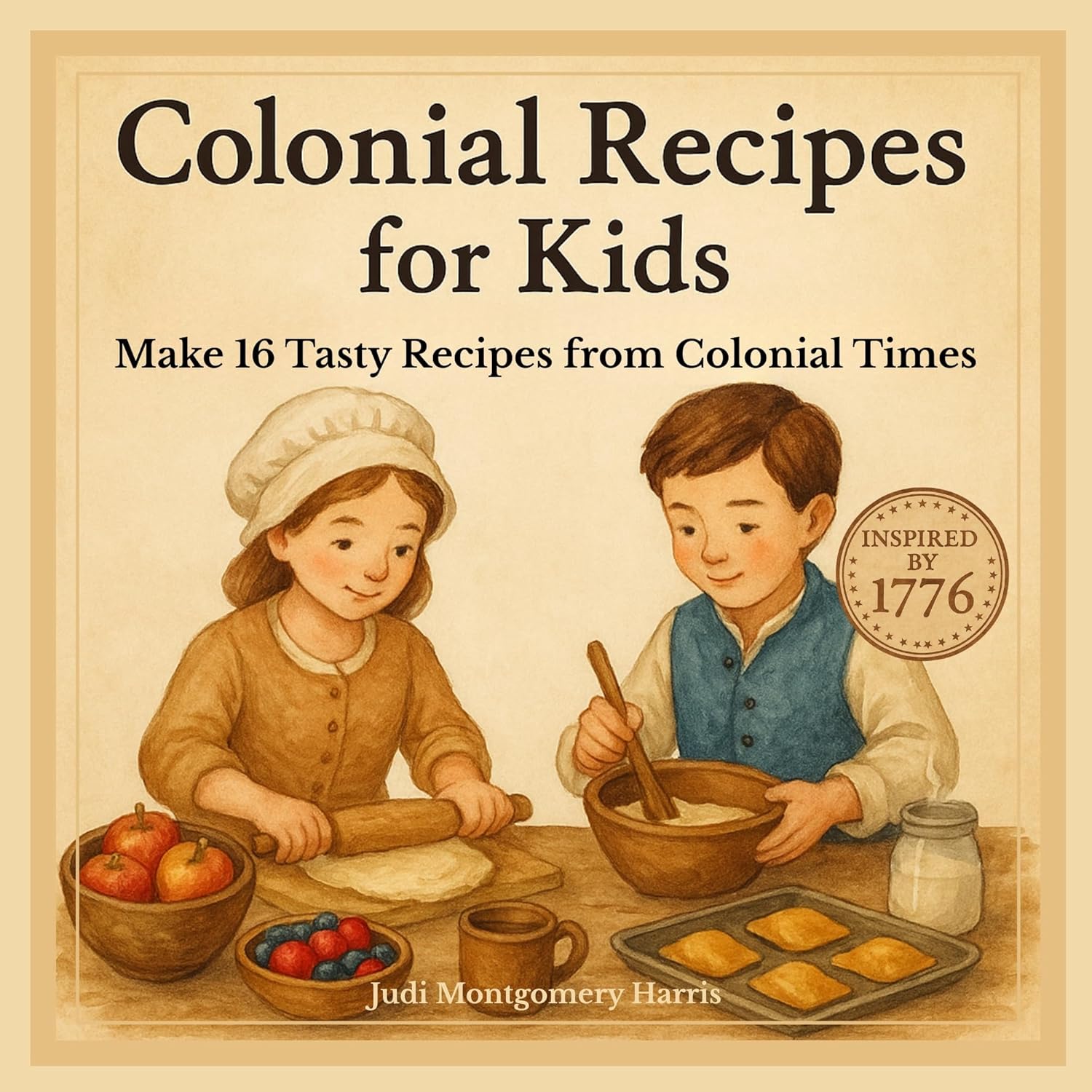
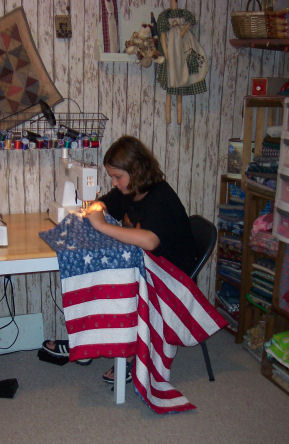
When kids sew a simple project, help prepare a traditional recipe, or imagine what their life might have been like in 1776, history stops being distant. It becomes personal.
That’s especially important as we approach the 250th anniversary. This isn’t just another school unit — it’s a once-in-a-generation opportunity to help children understand that real kids lived, worked, helped their families, and grew up during the founding of our country.
1776 Becomes Real When Kids Can Do Something
Think about what daily life looked like for children in colonial America:
-
Clothes were sewn, repaired, and reused
-
Decorations were handmade
-
Food was prepared from simple ingredients
-
Writing was thoughtful and intentional — letters, journals, and records mattered
These everyday activities are exactly what make history accessible to kids today.
That’s why hands-on learning works so well. A simple craft or project can spark questions like:
-
Who would have made this?
-
Why was it important?
-
How is my life different now?
Those questions are the beginning of real historical understanding.
Using Crafts and Making to Teach History
Colonial-era crafts don’t need to be complicated to be meaningful. Even simple projects can open the door to big conversations about:
-
resourcefulness
-
creativity
-
family roles
-
daily responsibilities
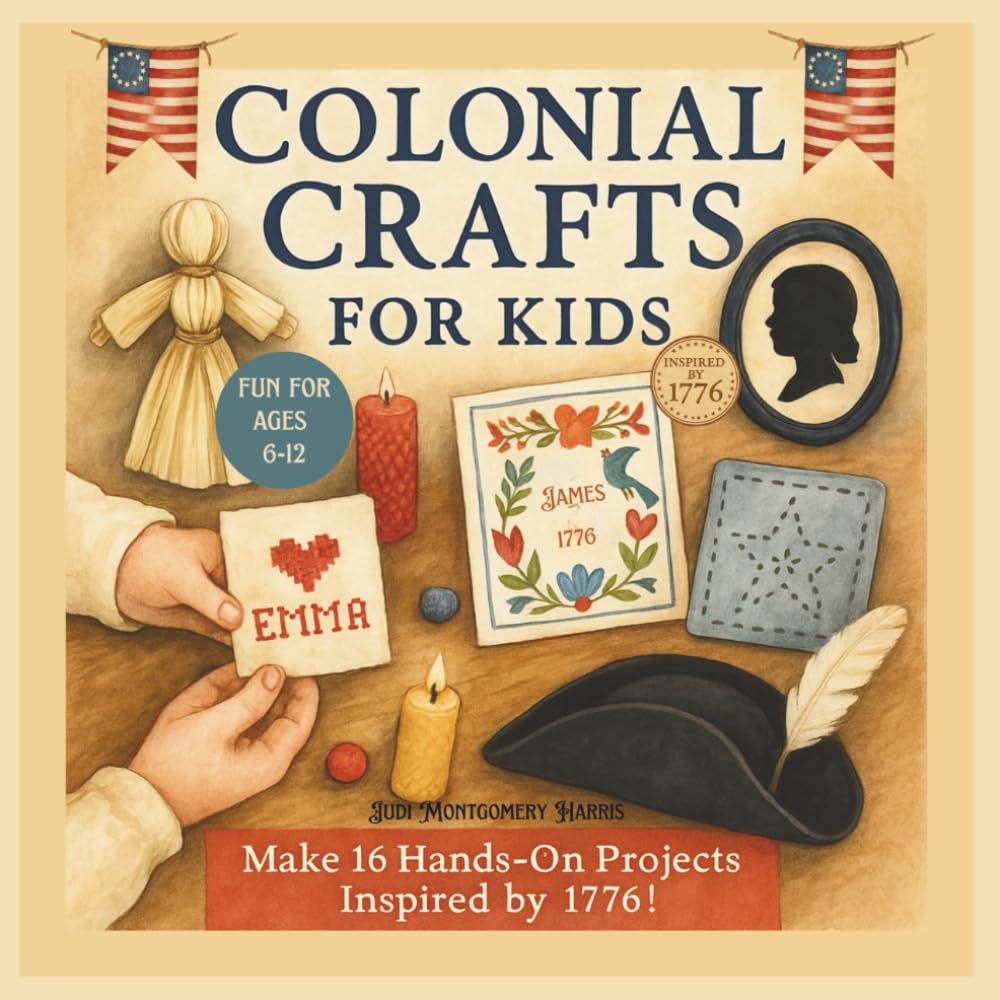
For families or educators who want structured, kid-friendly ways to explore this, having historically inspired craft ideas can make planning much easier. I recently created a colonial crafts guide designed especially for children, focusing on projects that are achievable, age-appropriate, and rooted in real early American life.
Used slowly and intentionally, crafts can become conversation starters — not just activities to fill time.
Helping Kids Reflect on 1776 Through Writing
Another powerful way to connect kids to history is through writing and imagination.
When children are encouraged to:
-
imagine a day in 1776
-
write from the perspective of a colonial child
-
compare their own life to the past
They begin to develop empathy and curiosity — two things history textbooks alone can’t teach.
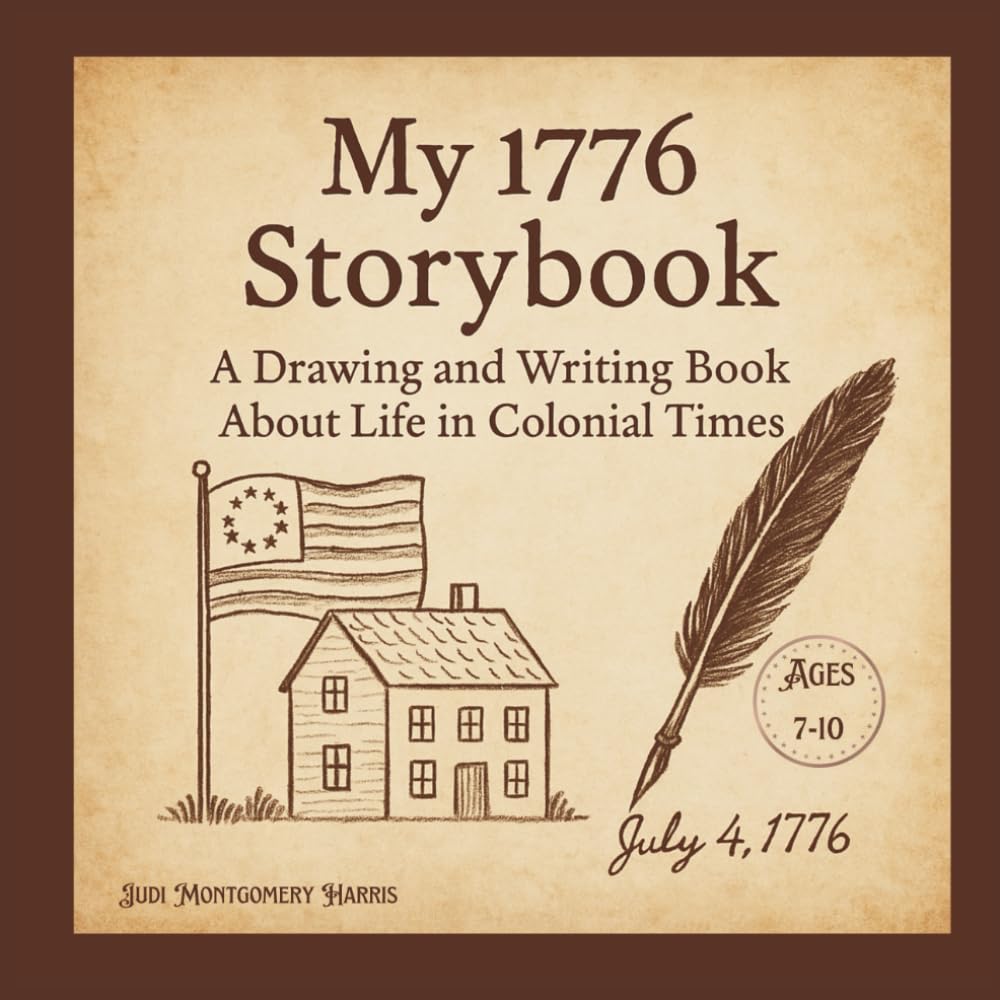
Guided writing prompts can be especially helpful here. They give kids a starting point while still leaving room for creativity and personal thought. For families who enjoy journaling or reflective activities, a 1776-themed writing prompt book can help bridge the gap between learning history and thinking deeply about it.
You Don’t Need a Big Event to Make the 250th Meaningful
Celebrating America’s 250th anniversary doesn’t require reenactments or elaborate plans. Some of the most meaningful moments happen:
-
at the kitchen table
-
during a quiet craft session
-
through a thoughtful writing exercise
-
in conversations sparked by simple activities
The goal isn’t to teach every historical detail.
It’s to help kids feel connected — to the past, to their family, and to the idea that history is made up of ordinary people doing everyday things.
As we approach this milestone, small, hands-on moments may be what children remember most.
Coming Next
In upcoming posts, I’ll be sharing:
-
specific colonial crafts and recipes that work well for kids
-
simple ways to use writing and reflection to connect past and present
-
ideas for families who want to mark the 250th in a meaningful, low-pressure way
History doesn’t have to feel heavy to matter. Sometimes, it starts with thread, paper, and imagination.